Archives
- 2026-08
- 2026-07
- 2026-06
- 2026-05
- 2026-04
- 2026-03
- 2026-02
- 2026-01
- 2025-12
- 2025-11
- 2025-10
- 2025-09
- 2025-03
- 2025-02
- 2025-01
- 2024-12
- 2024-11
- 2024-10
- 2024-09
- 2024-08
- 2024-07
- 2024-06
- 2024-05
- 2024-04
- 2024-03
- 2024-02
- 2024-01
- 2023-12
- 2023-11
- 2023-10
- 2023-09
- 2023-08
- 2023-07
- 2023-06
- 2023-05
- 2023-04
- 2023-03
- 2023-02
- 2023-01
- 2022-12
- 2022-11
- 2022-10
- 2022-09
- 2022-08
- 2022-07
- 2022-06
- 2022-05
- 2022-04
- 2022-03
- 2022-02
- 2022-01
- 2021-12
- 2021-11
- 2021-10
- 2021-09
- 2021-08
- 2021-07
- 2021-06
- 2021-05
- 2021-04
- 2021-03
- 2021-02
- 2021-01
- 2020-12
- 2020-11
- 2020-10
- 2020-09
- 2020-08
- 2020-07
- 2020-06
- 2020-05
- 2020-04
- 2020-03
- 2020-02
- 2020-01
- 2019-12
- 2019-11
- 2019-10
- 2019-09
- 2019-08
- 2019-07
- 2019-06
- 2019-05
- 2019-04
- 2018-11
- 2018-10
- 2018-07
-
br Materials and methods br Results and discussion br Summar
2021-04-13

Materials and methods Results and discussion Summary Acknowledgments We thank Muhammad Anwar for animal rearing and surgery. We also thank Michael M. Myers for editing. Finally, we thank David Hirschberg for his technical advice. Funding for this project was provided by the Einhorn Famil
-
br Discussion The regulation of
2021-04-13
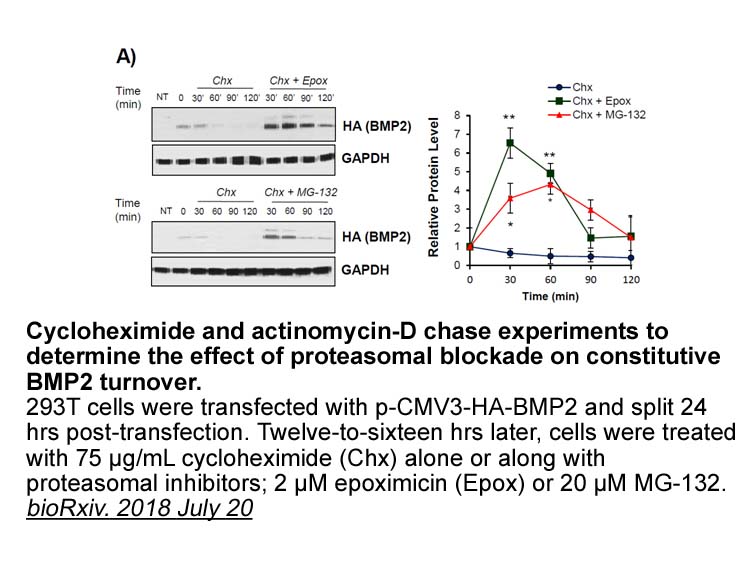
Discussion The regulation of intracellular cholesterol levels is a biological process of vital importance for cellular function and integrity, and involves robust transcriptional and post-transcriptional mechanisms that are sensitive to metabolic feedback control. Amongst post-transcriptional mec
-
A number of factors have been
2021-04-13
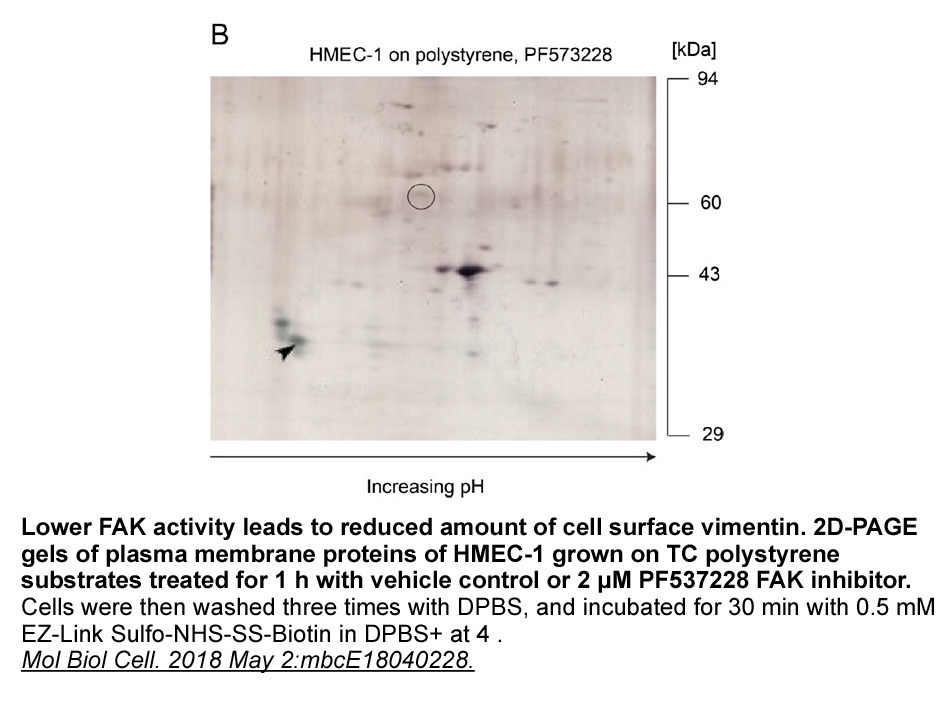
A number of factors have been shown to remove blocking end groups in order to make the termini of DSBs ligatable. A common non-ligatable end is one that contains either a 3′ phosphate or 5′ hydroxyl. The polynucleotide kinase/phosphatase (PNKP) is the NHEJ processing enzyme responsible for removing
-
Significantly less is known about regulation of
2021-04-13
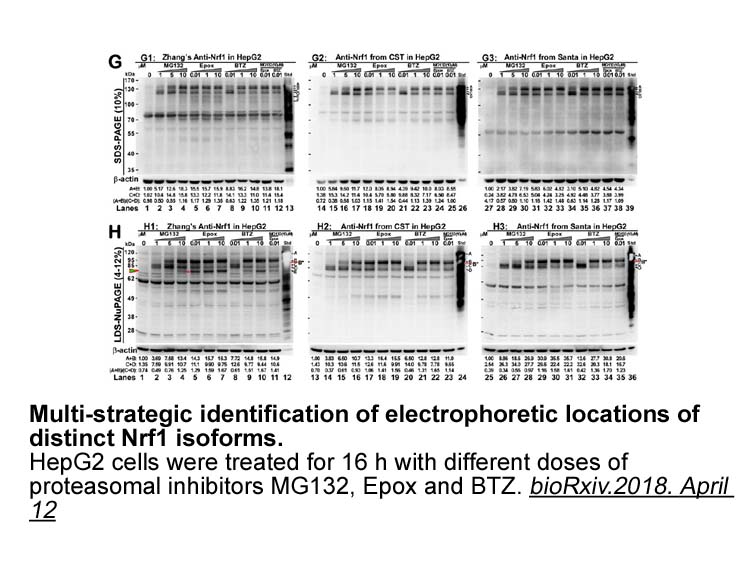
Significantly less is known about regulation of phytocystatin gene expression. A genomic clone corresponding to the barley cystatin Icy gene has been characterized (Gaddour et al., 2001) and the function of its promoter region has been analysed by Martínez et al. (2005b). Bioinformatic analysis of t
-
Recently we have demonstrated that
2021-04-13
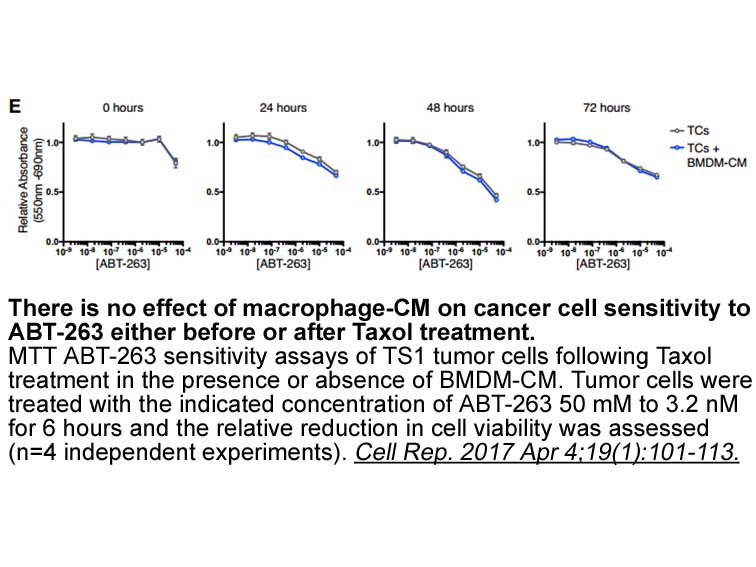
Recently we have demonstrated that the synthesis of cysteinyl-LTs from LTA4 by human umbilical vein endothelial cells (HUVECs) is directly associated with the activation of the CysLT2 receptor (CysLT2R) in a typical autocrine fashion, and that solely the CysLT2R is responsible for the increase in in
-
br Acknowledgments br Introduction to the somatic mitotic ce
2021-04-13
Acknowledgments Introduction to the somatic mitotic cell cycle Cell cycle dysregulation and cancer Structures of the cyclin-dependent protein kinases Structure of the CDK hydrophobic skeletons Classification of protein kinase-drug complexes Dar and Shokat defined three Meropenem au
-
Zileuton sale br CXCR The CXC receptor and CXCR
2021-04-13
CXCR1/2 The CXC receptor 1 and 2 (CXCR1 and CXCR2) have been well characterised in vertebrates. In mammals and birds, the two receptors are shared by the ELR+ CXC ligands, namely the CXCL8 family members that have proinflammatory roles in recruitment of neutrophils, monocytes and macrophages to s
-
Previous work examining the link
2021-04-13
Previous work examining the link between the COMT gene and ISV is limited and has produced contradicting results. The Val allele was linked with higher ISV of RTs following target trials in a continuous performance task (Stefanis et al., 2005) and with higher ISV of RT and P3b latencies of unfamilia
-
COMT expression protein level and activity are down regulate
2021-04-13
COMT expression, protein level and activity are down regulated by E2. Using estrogen receptor (ER) positive MCF-7 cells, Xie et al. demonstrated an E2 dose dependent (1, 10 and 100 nM) decrease in S-COMT 1.3 kb mRNA that was maximum after 48 h (Xie et al., 1999). A similar decrease was not observed
-
We hypothesize that both IGF dependent
2021-04-13
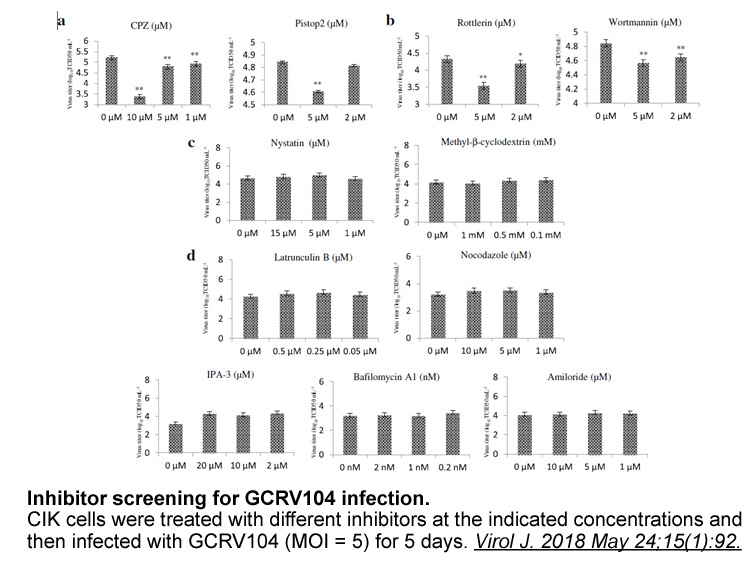
We hypothesize that both IGF-1-dependent kinase activation and locally synthesized neuroestrogens interactively regulate estrogen receptor activity in neuronal PLX7904 sale in the absence of exogenously applied estradiol. The Neuro-2A cell line was chosen as the model system for these studies becau
-
Conventional assays rely on a comparable transformation of t
2021-04-12
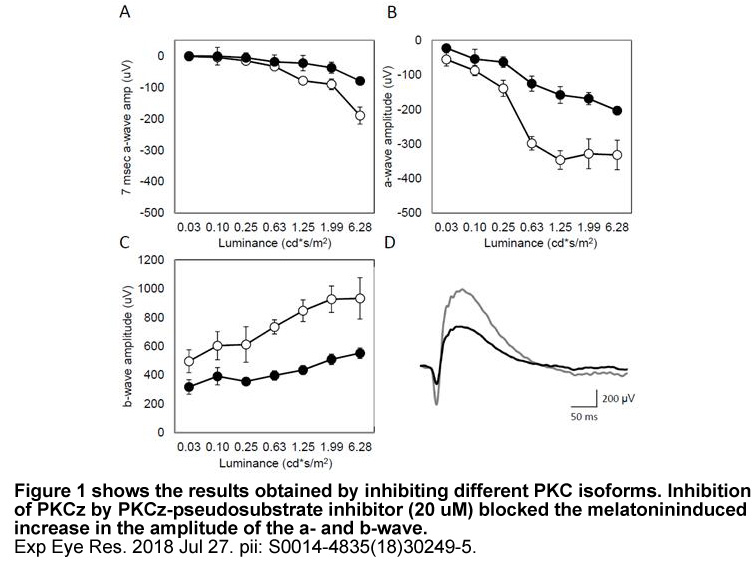
Conventional assays rely on a comparable transformation of the target analytes and the structurally similar (but not identical) proxy substrates and are commonly used to measure individual enzyme activities in (pre-treated) intact sludge flocs (Burgess and Pletschke, 2008a, Gessesse et al., 2003, Yu
-
A growing body of data indicates
2021-04-12
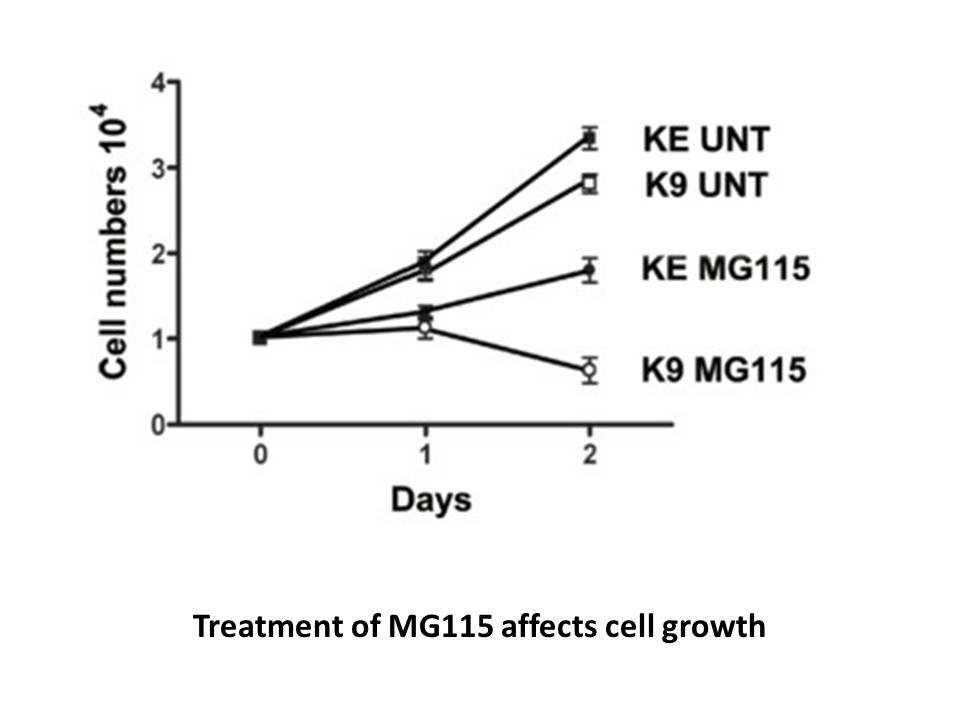
A growing body of data indicates that endothelial NOS (eNOS) is a rate-limiting enzyme for the synthesis of nitric oxide (NO), its downstream AK Bioluminescence Cytotoxicity Assay Kit molecule. High pathological concentrations of NO produced from inducible NO synthase (iNOS) induce apoptosis, where
-
ci-1033 This relative lack of ET
2021-04-12
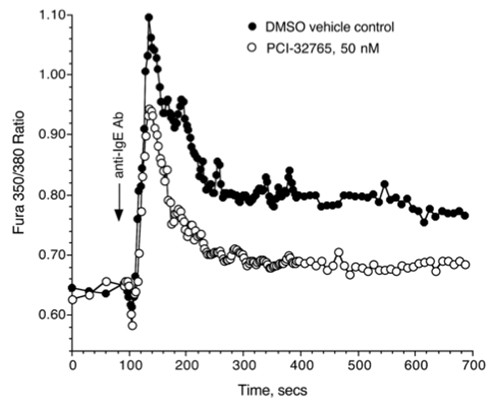
This relative lack of ET-1 expression in highly malignant epithelial ci-1033 could be explained by marked cellular anaplasia and cellular dysfunction; we also suggest that the high levels of VEGF, which have been evidenced in highly malignant mammary tumours (Restucci et al., 2002) may suppress ET-
-
thymidine phosphorylase inhibitor br STAR Methods br Acknowl
2021-04-12
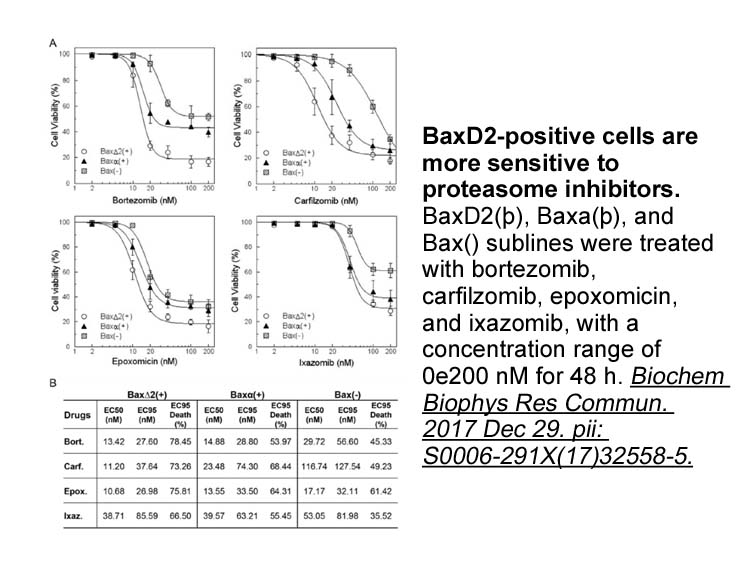
STAR★Methods Acknowledgments We would like to thank Dr. Tsung-Ping and Dr. Shang-Yi Tsai, National Institute on Drug Abuse, NIH for sharing protocols on pulse chase experiments and analysis. We would like to thank Dr. William G. Telford for his valuable input on Amnis flow cytometry experiment
-
Abdominal aortic aneurysm AAA is considered a major health
2021-04-12
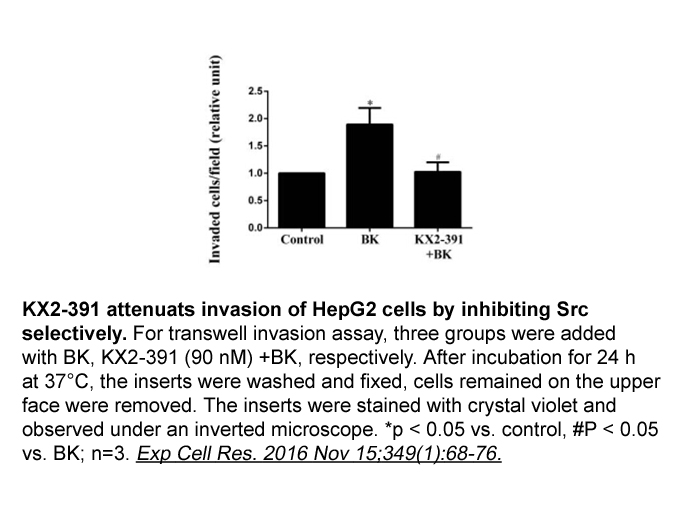
Abdominal aortic aneurysm (AAA) is considered a major health concern and is associated with extremely high rates of mortality in case of aortic rupture. The main pathophysiologic mechanisms leading to aortic dilation include the degradation of the extracellular matrix (ECM) components, such as colla
16776 records 720/1119 page Previous Next First page 上5页 716717718719720 下5页 Last page